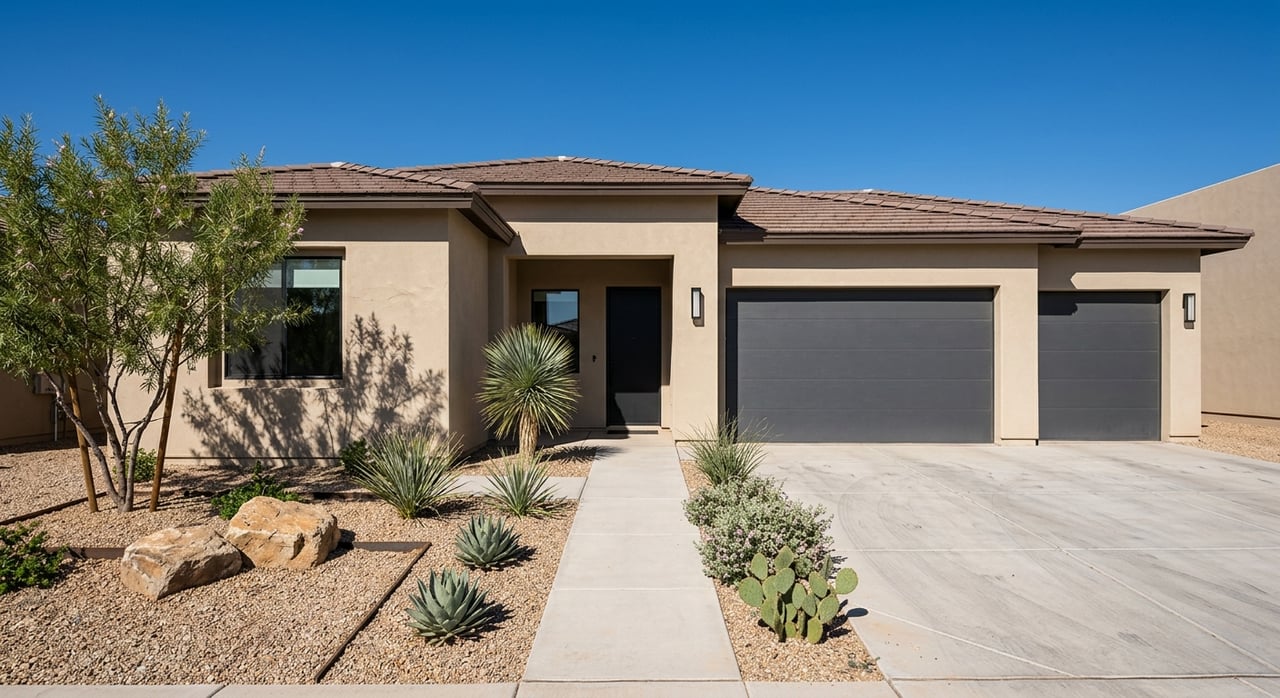
Thinking about buying a brand-new home in Fort Mohave? You are not alone. New construction here can be a smart way to get modern layouts, fresh finishes, and less immediate maintenance, but the options are not all the same. If you are comparing neighborhoods, builders, lot sizes, and timelines, this guide will help you understand what to expect and what to ask before you sign. Let’s dive in.
What New Construction Looks Like in Fort Mohave
Fort Mohave’s new-construction market includes more than one type of home. You will find subdivision-based spec homes, semi-custom opportunities, and larger custom or estate-style lots depending on where you look. That gives buyers a wider range of choices than many people expect.
Recent new-construction listings in Fort Mohave have ranged from about 1,289 square feet to 3,016 square feet. Lot sizes also vary quite a bit, from roughly 6,000 square feet in some subdivisions to more than 1 acre for rural-style or estate parcels. In practical terms, that means your search should start with your lifestyle, not just the word “new build.”
Fort Mohave is also often marketed as a lifestyle destination connected to golf, the Colorado River, Laughlin, and Lake Havasu. If you want a home that supports a lock-and-leave routine, extra garage space, or room to spread out, the local new-construction market offers several paths.
Where New Homes Are Being Built
New builds in Fort Mohave tend to cluster in planned subdivisions and infill streets. Community and listing activity has shown new construction in areas such as Coyote Run, Desert Lakes, and on streets including Desert Lakes Drive, Lago Grande Drive, Via Borgata, Via Del Aqua, and Calle Del Media.
That matters because location affects more than commute time or views. In Fort Mohave, it can also shape lot size, HOA structure, amenity access, and how much flexibility you may have with the home itself.
Subdivision Options
Many buyers start in planned neighborhoods because the process can feel more streamlined. These homes often feature standardized plans, predictable finish packages, and set lot sizes. In some communities, that can make it easier to compare homes and pricing.
Examples in the local market include neighborhoods with smaller subdivision lots, open-concept floor plans, and mainstream buyer-friendly layouts. If you want a simpler decision-making process, this kind of inventory may be a good fit.
Amenity and HOA Communities
Some Fort Mohave neighborhoods come with distinct amenity packages or governance structures. For example, local community descriptions include no-HOA options, gated neighborhoods, 55+ communities, and golf-oriented settings with HOA fees and club-related amenities.
This is one of the biggest differences between one new-construction area and another. Before you move forward, make sure you understand whether the neighborhood is HOA-governed, gated, age-restricted, or designed around amenities like a pool, spa, clubhouse, or golf access.
Larger Lots and Estate-Style Parcels
If you need more elbow room, Fort Mohave also offers larger-lot opportunities. Current and recent listings have included new construction on parcels of about 1.01 acres, 1.56 acres, and 2.34 acres.
Some local builders also describe estate-size parcels in parts of the market. These homes may appeal to buyers who want more privacy, extra storage options, or a less subdivision-like setting.
Typical Home Sizes and Features
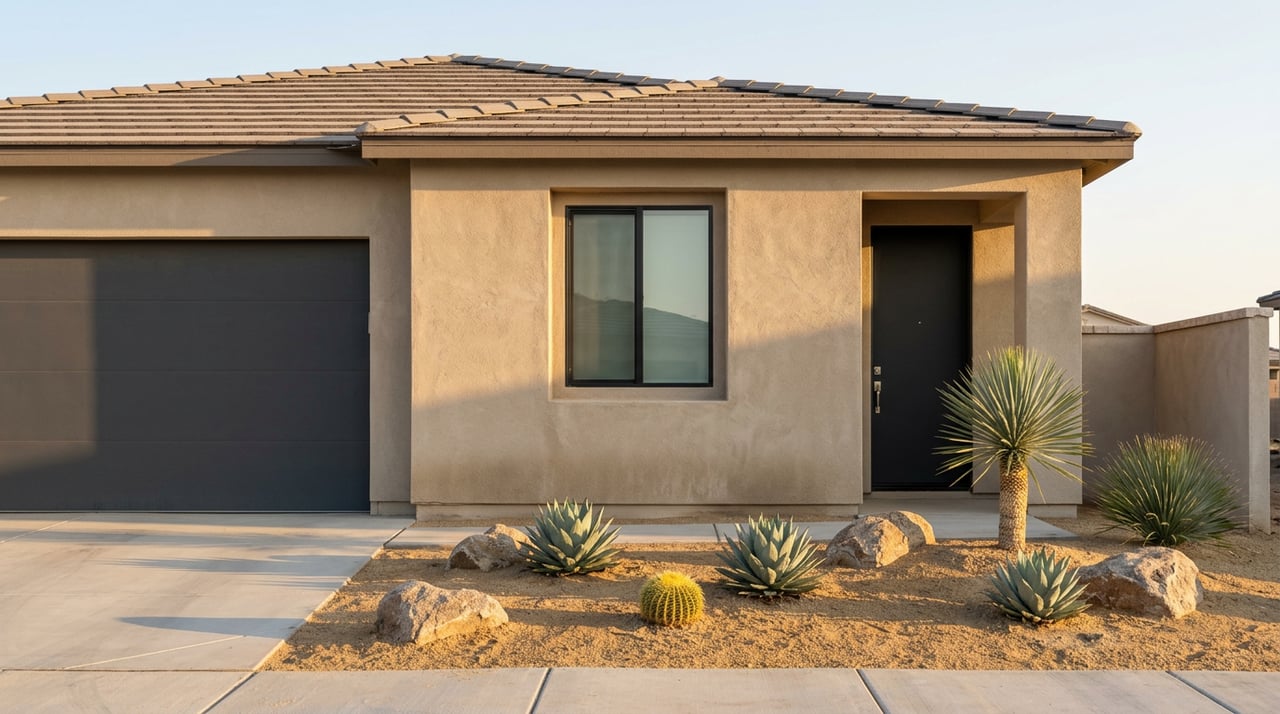
Most mainstream Fort Mohave new builds are single-story homes with ranch or open-concept layouts. Common floor plans fall in the 3- to 4-bedroom range, usually with 2 bathrooms and about 1,289 to 1,815 square feet.
Garages are a major feature in this market. Many homes include 2- or 3-car garages, which can be especially important in an area where buyers may want room for recreational gear, extra vehicles, or workshop space.
Larger homes are available too. Recent listing examples include homes around 1,971 square feet, 2,673 square feet, and just over 3,000 square feet. So if you need more living space, Fort Mohave does offer options beyond entry-level new construction.
Common Included Features
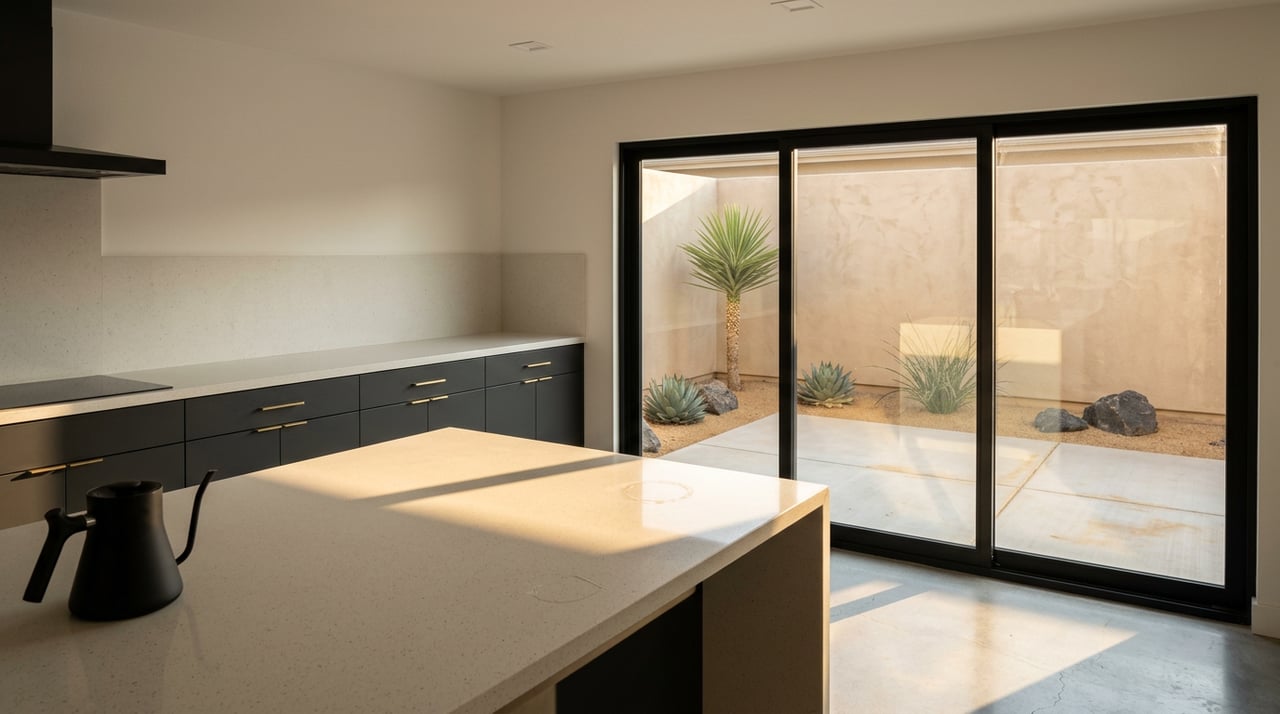
Included features vary by builder and by community, but several finishes appear often in local new-construction homes. You may see:
- Stainless-steel appliances
- Granite countertops
- White cabinets
- Wood-look plank flooring
- Open living layouts
- 3-car garages in some plans
- RV gates in some homes
Some builders also offer expanded floor plans or detached RV garages depending on the stage of construction. If upgrades matter to you, ask early what is standard, what is optional, and what depends on timing.
How Lot Size Can Change Your Experience
Lot size is one of the most important parts of comparing new construction in Fort Mohave. Two homes may look similar online but live very differently once you consider the yard, setbacks, storage possibilities, and overall spacing.
Recent examples show subdivision lots in places like Desert Lakes around 6,098 to 7,200 square feet. Other neighborhoods have shown lots around 7,841 to 8,276 square feet, while Los Lagos examples have ranged around 0.17 to 0.23 acre. On the other end of the spectrum, larger parcels of 1 acre or more offer a very different setup.
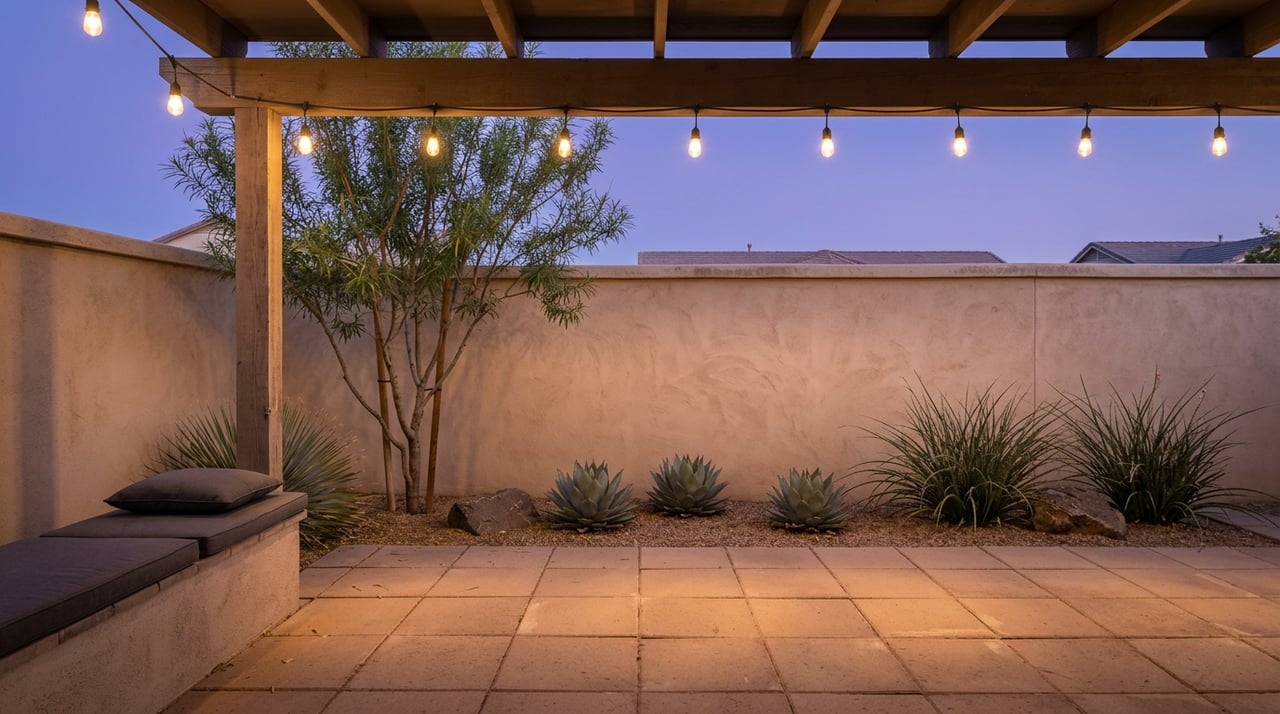
If you want low-maintenance outdoor space, a smaller lot may work well. If you need room for toys, detached structures, or a more open setting, focusing on larger parcels can save you time.
Comparing Builders in Fort Mohave
Fort Mohave buyers may come across both local builders and production-style builders. Each approach has advantages, and the right fit depends on how much personalization you want, how fast you want to move, and how comfortable you are with a more standardized process.
Local and Custom-Focused Builders
Angle Homes has built in Mohave County since 1996 and describes itself as the county’s largest home builder and residential developer. In Fort Mohave, its Sunset Palms community is listed with 3 to 4 bedrooms, 2 to 3 car garages, and roughly 1,289 to 1,965 square feet. The builder also says buyers may be able to select finishes and upgrades such as flooring, cabinets, fixtures, showers, expanded plans, and detached RV garages.
Angle Homes estimates construction times at about 3.5 to 8 months on average for larger homes, with custom changes or septic systems potentially adding time. That is helpful if you are trying to balance personalization with a realistic move-in window.
Mountain View Homes says it has been operating since 1987, can build on its lot or yours, and offers customizable floor plans. Its Fort Mohave materials highlight buyer selections such as flooring, fixtures, lighting, paint, countertops, and cabinets, along with a mix of no-HOA, gated, and larger-lot community options.
Production-Style Builders
Century Complete’s Fort Mohave offerings focus on ranch-style, open-concept homes with advertised included finishes such as stainless-steel appliances, granite countertops, white cabinets, and Shaw wood-look plank flooring. This type of builder often appeals to buyers who want a more standardized package and a simpler decision process.
That does not make one option better than another. It simply means you should compare builders based on how much customization you want, what is included in the base price, and how the neighborhood fits your goals.
Questions To Ask Before You Sign
A new-construction contract can look clean and simple, but the details matter. Before you commit, slow down and get clear answers in writing.
Here are some of the most important questions to ask:
- What features are standard, and what are upgrades?
- Are finish items fixed-price, or are they allowance-based?
- Is the neighborhood HOA-governed, gated, age-restricted, or no-HOA?
- Who handles permits, debris removal, and temporary utilities?
- What are the change-order rules?
- What is the estimated build timeline?
- What utilities serve the property?
- If the home is on a larger parcel, will it need well or septic approvals?
- What warranty is included, and how are claims handled?
Those answers affect cost, timing, and your overall experience. They also help you compare one builder or community to another on equal footing.
Local Permit and Utility Checks Matter
In unincorporated areas of Mohave County, the county’s Building Division handles plan review and inspections. Its residential permit checklist requires a complete submittal that includes items such as a tax parcel number or property address, zoning approval, floodplain information, and well or septic approval or sewer acceptance, depending on the property.
That is especially important when you are looking at larger or less typical parcels. A home in a subdivision may have a more predictable infrastructure setup than a home on a rural-style lot, so it is worth confirming utility details early.
Compare Financing Carefully
Even if a builder has a preferred lender, you should still compare your options. Loan structure can affect your cash needed at closing, your rate, and the overall cost of the home.
The research for this market strongly supports shopping around. Contacting multiple lenders and comparing loan estimates can give you a clearer picture of what works best for your budget and timing.
Understand the Warranty Coverage
Warranty terms are another major part of buying new construction. Newly built homes often come with builder warranty coverage, but the scope can vary.
In the research provided for this topic, common warranty structures include one year for workmanship and materials, two years for systems like HVAC, plumbing, and electrical, and in some cases 10 years for major structural defects. Angle Homes says its homes include two-year coverage plus 10-year structural coverage through 2-10 Home Buyers Warranty.
Ask the builder exactly what is covered, what is excluded, how long coverage lasts, and whether disputes are handled through mediation or arbitration. Those details matter most after move-in, so it is best to review them before you sign.
The Bottom Line for Fort Mohave Buyers
The biggest thing to know about new construction in Fort Mohave is that it is not one-size-fits-all. You can find smaller subdivision homes, amenity-driven communities, and larger parcels with more room and flexibility.
If you compare lot size, included features, HOA structure, utility setup, builder process, timeline, financing, and warranty terms, you will make a far more confident decision. And if you want local guidance while sorting through those moving parts, working with a brokerage that knows Fort Mohave block by block can make the process feel much more manageable.
If you are exploring new construction, golf-course homes, or larger lots in Fort Mohave, the team at Desert Lakes Realty can help you compare your options and move forward with confidence.
FAQs
What types of new construction homes are available in Fort Mohave?
- Fort Mohave offers subdivision-based spec homes, semi-custom homes, and larger custom or estate-style properties, with recent new-construction homes ranging from about 1,289 to 3,016 square feet.
What lot sizes can you expect for new construction in Fort Mohave?
- Lot sizes in Fort Mohave can range from roughly 6,000 square feet in some subdivisions to more than 1 acre for larger rural-style or estate parcels.
What features are common in Fort Mohave new builds?
- Common features include stainless-steel appliances, granite countertops, white cabinets, wood-look plank flooring, open layouts, and in some homes 3-car garages or RV gates.
Are there HOA and non-HOA new construction communities in Fort Mohave?
- Yes. Local new-construction options include no-HOA neighborhoods, gated communities, 55+ communities, and areas with HOA fees tied to amenities or golf-related living.
What should buyers ask before signing a Fort Mohave new-construction contract?
- Buyers should ask what features are standard versus upgrades, whether allowances are used, who handles permits and utilities, what the build timeline looks like, what the HOA rules are, and what warranty coverage is included.
How long does it take to build a new home in Fort Mohave?
- Build timing depends on the builder and level of customization. In the provided market research, one local builder estimates about 3.5 to 8 months on average for larger homes, with custom changes or septic systems potentially adding time.